Most fan engagement products are designed for a version of reality that doesn’t exist.
The assumption goes something like this:
Fans are watching live. They’re paying attention. They’re holding their phone. They’re ready to interact.
In practice, fans are cooking, scrolling, time-shifting, watching with others, or half-listening while a WhatsApp group explodes. Attention is fragmented, unpredictable and constantly moving between screens.
Second-screen behaviour isn’t a niche use case. It is the default.
This post explores what second-screen reality actually looks like - and how product teams can design engagement experiences that work within it, not against it.
The myth of the fully attentive fan
Live sport and entertainment create moments of intensity - but those moments are short. The rest of the time, attention drifts.
For product teams, the mistake is treating engagement as something that requires sustained focus. In reality, the best engagement products:
Work in short bursts
Allow fans to drop in and out
Don’t punish missed moments
Fit naturally around broadcast rhythms
We see this constantly in live TV environments, especially entertainment formats and sport with long build-ups and downtime.
Designing for Fragmented Attention
1. Engagement should be easy to pick up
If a fan looks away for 30 seconds, they shouldn’t feel lost.
This is why lightweight, repeatable interactions consistently outperform complex flows. Polls, predictions, quick votes and reactive moments all work because they respect how fans actually behave.
In ITV’s TV show apps, for example, engagement isn’t built around long sessions. Viewers dip in during ad breaks, key scenes or social spikes. The product experience is designed so fans can participate immediately - no onboarding tax, no cognitive overload.
The lesson:
Design interactions that assume interruption, not continuity.
2. Live doesn’t always mean “Synchronous” (although it can)
Many second-screen products fail because they assume everyone is perfectly in sync with the broadcast.
Sometimes, they aren’t.
Latency, streaming delays and time-shifted viewing are unavoidable - especially across platforms and territories. Product teams need to design engagement that blends the live with the always-on.
3. Second screen doesn’t always mean “Mobile”
Second-screen thinking often defaults to phones. But increasingly, engagement lives across multiple surfaces - including the biggest screen in the room.
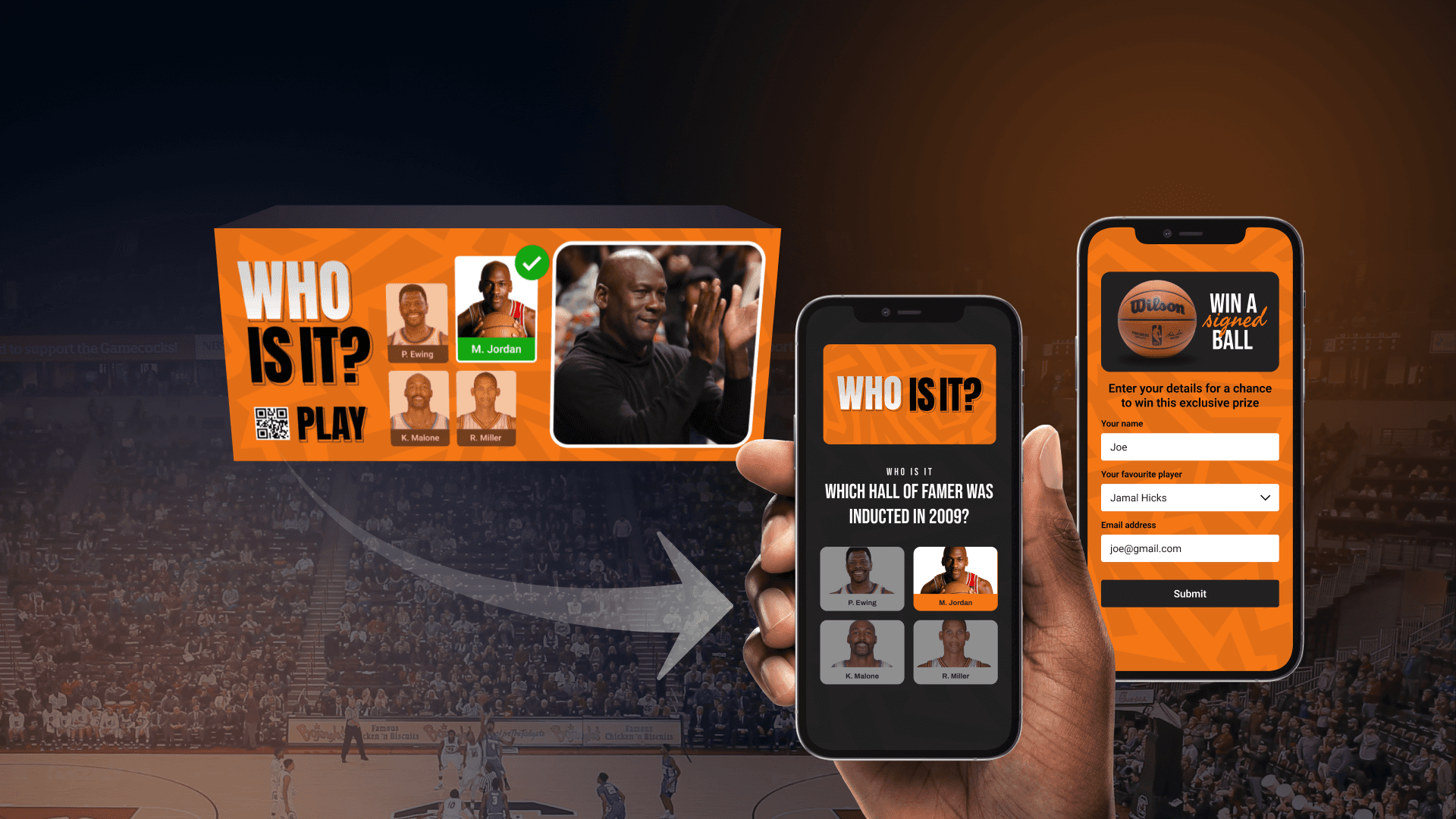
With Monterosa’s Connected TV Engine, fans can play directly on their TV screen or use a second device alongside it. This flexibility matters because fan behaviour varies by household, demographic and content type.
In the US, we’re seeing connected TV experiences where some viewers engage from the sofa with a remote, while others use a phone as a companion device - within the same experience.
The takeaway for product teams:
Design engagement systems, not single-screen features.
Designing for Peaks, Not Duration
Sport and entertainment are defined by peaks: goals, reveals, controversies, finales.
Trying to engineer “always-on” engagement often works against natural fan behaviour. Instead, successful products are built to amplify peak moments.
This is especially true in OTT environments. With embedded prediction games inside OTT apps (via Monterosa’s OTT Interact product), engagement is woven directly into the viewing experience — not bolted on as a separate destination.
Fans don’t leave the content to engage. Engagement comes to them, at the moment it matters.
Product implication:
Measure success by participation at moments, not session length.
Designing for the Way Fans Actually Watch
The most important mindset shift for product leaders is this:
Second-screen engagement isn’t about making fans more attentive.
It’s about designing products that succeed despite fragmented attention.
Whether it’s:
TV show apps for mass-audience entertainment
Real-time sport reactions like RefWatch
Connected TV gameplay
Or embedded OTT interactions
The common thread is the same:
Great fan engagement meets fans where they are - distracted, social, and fluid between screens.
Product teams who embrace this reality don’t just build better engagement.
They build experiences fans actually want to return to.
Find out more about our solutions for broadcast and streamers here